


Glaucoma is one of the leading causes of preventable blindness, and it often develops without any warning signs. At Eyecare Associates of Lewistown, we screen for glaucoma at every comprehensive exam, using advanced testing to catch changes long before you would notice them yourself. Because vision lost to glaucoma cannot be restored, early detection is the single best way to protect your sight.

Glaucoma is a disease that gradually damages the optic nerve, the bundle of nerve fibers that carries visual information from your eye to your brain. The most common form is primary open angle glaucoma, though other types can develop from eye injury, inflammation, unusual eye anatomy, or abnormal blood vessel growth. As nerve fibers are lost, so is the vision they carry, usually starting at the edges of your sight rather than the center.
Glaucoma is usually painless, and because it affects peripheral vision first, most people don’t notice anything wrong until significant damage has already occurred. This is very different from conditions like macular degeneration, which affect central vision early on. Some rarer forms can cause a sudden spike in eye pressure, leading to pain, blurred vision, and nausea. Because early glaucoma has no symptoms, regular screening is the only reliable way to catch it.
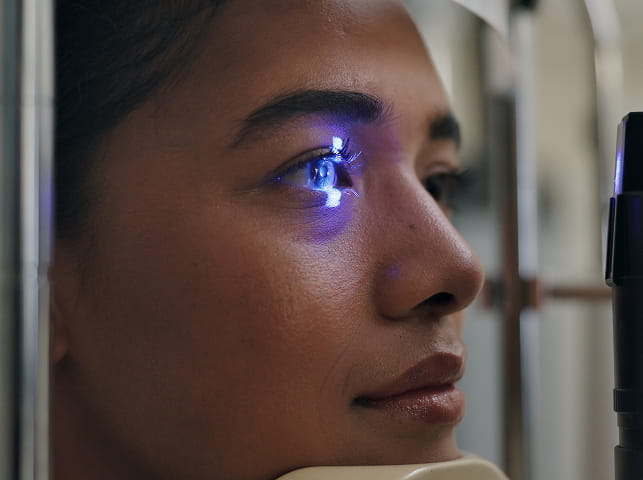
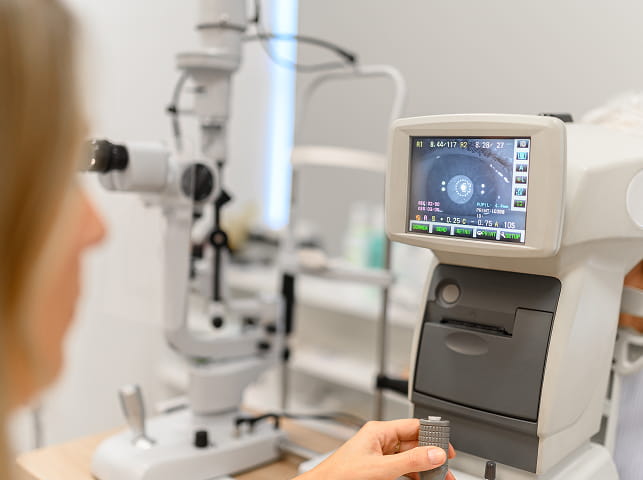
A glaucoma workup includes several painless tests. We measure your intraocular pressure, since the normal range runs from about 10 to 21 mm Hg, though pressure alone doesn’t confirm or rule out the disease. We also evaluate the structure of your optic nerve with OCT imaging and check your peripheral vision with formal visual field testing. Together, these tests give us a complete picture of your optic nerve health.

Most glaucoma is managed first with daily prescription eye drops that lower eye pressure and help protect the optic nerve from further damage. When drops aren’t enough, surgical options include filtration surgery to improve fluid drainage, or minimally invasive glaucoma surgery using tiny devices like the iStent, one of the smallest implants used anywhere in medicine. These procedures are often performed alongside cataract surgery when appropriate. Have questions about treatment? Call (406) 535-2020
Because glaucoma progresses silently, routine comprehensive exams are the best defense you have. Risk increases with age, family history of glaucoma, and certain other health conditions, so it’s worth mentioning your family history at your next visit. Vision lost to glaucoma cannot be recovered, but with early detection and consistent treatment, most patients keep functional vision for life. Our Lewistown team is here to help you stay ahead of it.
No, but it can be managed effectively. With early detection and consistent treatment, most people with glaucoma keep functional vision for the rest of their lives.
Not necessarily. Eye pressure outside the typical range is a risk factor, but glaucoma is diagnosed by looking at the overall health and structure of the optic nerve, not pressure alone.
Usually not. Glaucoma is typically painless and affects peripheral vision first, so most people don’t notice symptoms until the disease has already progressed. That’s why regular screening is so important.
Most adults benefit from glaucoma screening at every comprehensive eye exam, generally once a year. Your optometrist may recommend more frequent monitoring if you have risk factors such as family history.
The iStent is a tiny implant placed during minimally invasive glaucoma surgery to improve fluid drainage and lower eye pressure. It’s often considered for patients who are also having cataract surgery.