


A comprehensive eye exam is a vital part of your child’s overall health care regardless of how well they seem to be seeing or functioning day to day. Many childhood vision and eye health conditions have no obvious symptoms, meaning a child can appear to see perfectly fine while an underlying issue quietly affects their development. At Eyecare Associates of Lewistown, we’re here to help local families catch these conditions early.
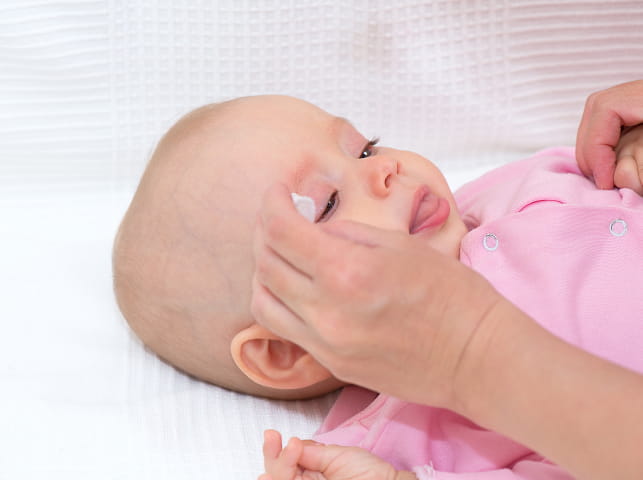
Through the AOA InfantSee Program, we offer no-cost screening exams for infants between 6 and 12 months old. At this visit, our doctor evaluates your baby for risk factors linked to amblyopia (lazy eye) as well as other ocular health conditions, many of which are far less likely to affect long-term visual development when caught and managed at this early stage. There’s no cost and no insurance required, making it an easy first step for every family.
An InfantSee screening is just the beginning. As your child grows, regular eye exams remain essential for monitoring changes in both visual function and ocular health, well beyond what a school vision screening can catch. Vision needs shift as children start reading, using screens, and taking on more demanding schoolwork, and routine exams help ensure their eyes are keeping pace with those growing demands, year after year.
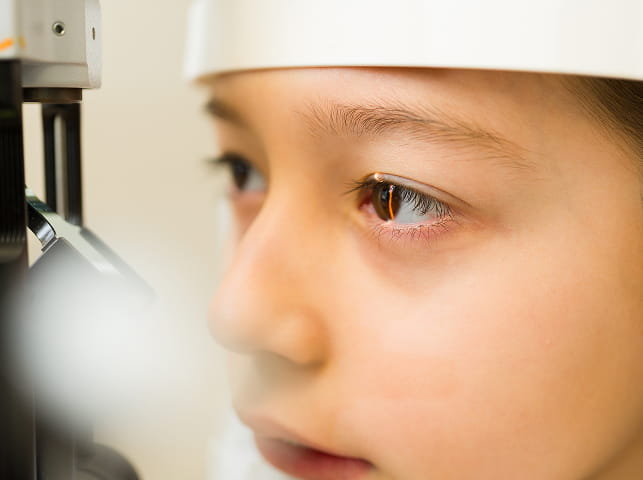
Children don’t always know their vision looks different from anyone else’s, so it often falls to parents and teachers to notice the signs. Watch for squinting, sitting unusually close to screens, frequent headaches, avoiding reading or close work, or one eye that seems to turn or wander. Struggling in school isn’t always a learning issue, it can be a vision problem in disguise. If anything seems off, it’s worth having your child’s eyes checked.
The AOA recommends a first screening through the InfantSee Program between 6 and 12 months old, followed by additional exams at around age 3 and before starting school, then yearly after that.
Not always. Whether dilation is needed depends on your child’s age and what the doctor observes during the exam. We’ll always explain what to expect before any part of the visit.
Yes. The InfantSee Program is a no-cost screening for infants 6 to 12 months old, regardless of insurance coverage, so every family can have their baby’s eyes checked early.
Coverage varies by plan, and vision benefits often differ from medical eye exam benefits. Our team can help you understand what’s covered before your child’s appointment.